
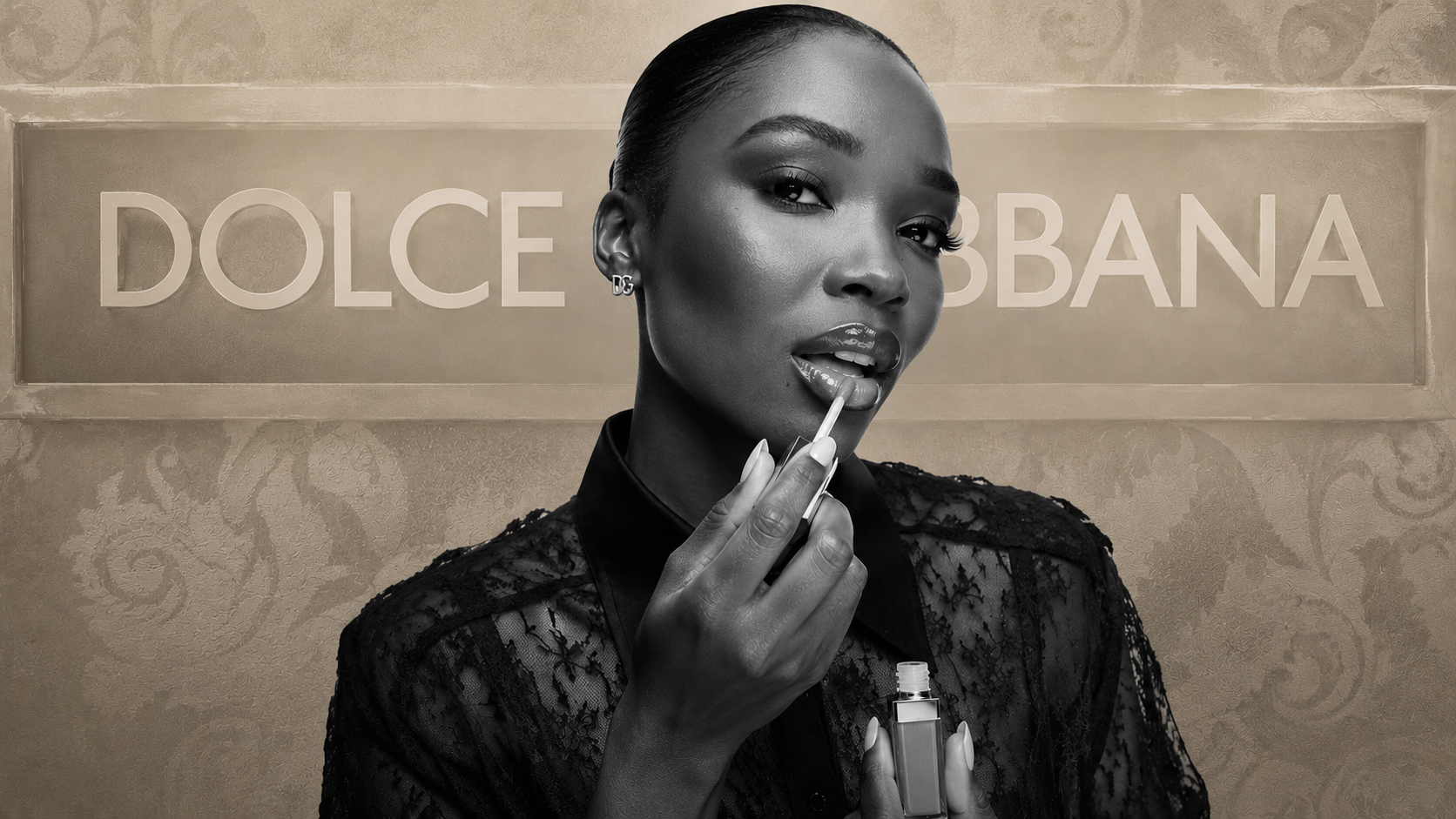
The appointment of Melinda Melrose as Global Makeup Expert for Dolce & Gabbana Beauty reflects a larger shift happening across luxury beauty.
For years, luxury beauty campaigns were built around aspiration. The formula was familiar. Cast a celebrity, create distance, and sell the fantasy. The face of the campaign was meant to feel polished, elevated, and slightly out of reach.
But beauty culture has changed.
Today’s consumers are not discovering products exclusively through glossy campaigns or traditional advertising. They are finding beauty through creators, routines, tutorials, close-up product demonstrations, and personalities that already exist naturally within digital culture. The relationship between beauty brands and audiences has become far more intimate, and luxury companies are beginning to adjust accordingly.
The appointment of Melinda Melrose as Global Makeup Expert for Dolce & Gabbana Beauty reflects a larger movement in luxury beauty: brands are looking beyond traditional celebrity and toward talent with cultural fluency, digital intimacy, and direct audience trust.
What makes appointments like this interesting is not simply the partnership itself, but what it represents culturally.
Luxury beauty no longer relies on celebrity visibility alone. Consumers are becoming more responsive to personalities that feel visually fluent in the culture surrounding beauty online. They want familiarity alongside aspiration. They want polished imagery, but they also want personalities who feel believable within the everyday environments where beauty conversations now happen.
That distinction matters because beauty authority has changed dramatically over the last decade.
Social platforms transformed beauty from a top-down industry into an ongoing cultural conversation. Audiences now spend hours consuming beauty content through creators who explain products casually, apply makeup in natural lighting, and build communities around aesthetic identity rather than unattainable perfection. As a result, influence today is often tied less to celebrity status and more to consistency, relatability, and cultural relevance.
Brands have noticed.
Increasingly, luxury beauty companies are aligning themselves with individuals who already move comfortably within digital beauty culture rather than relying solely on traditional celebrity endorsements. The modern beauty ambassador is expected to do more than represent glamour. She must understand audience behavior, visual storytelling, and the pace at which beauty trends evolve online.
In many ways, luxury beauty is shifting away from distance and moving closer toward recognition. Consumers want to feel connected to the world surrounding a brand, not separated from it. That emotional proximity creates a stronger form of engagement than aspiration alone ever could.
This is why cultural fluency has become one of the most valuable forms of modern beauty capital.
The future of luxury beauty will likely belong to brands that understand how influence is built today. Not exclusively through fame, but through personalities who already feel integrated into the culture shaping beauty in real time.