
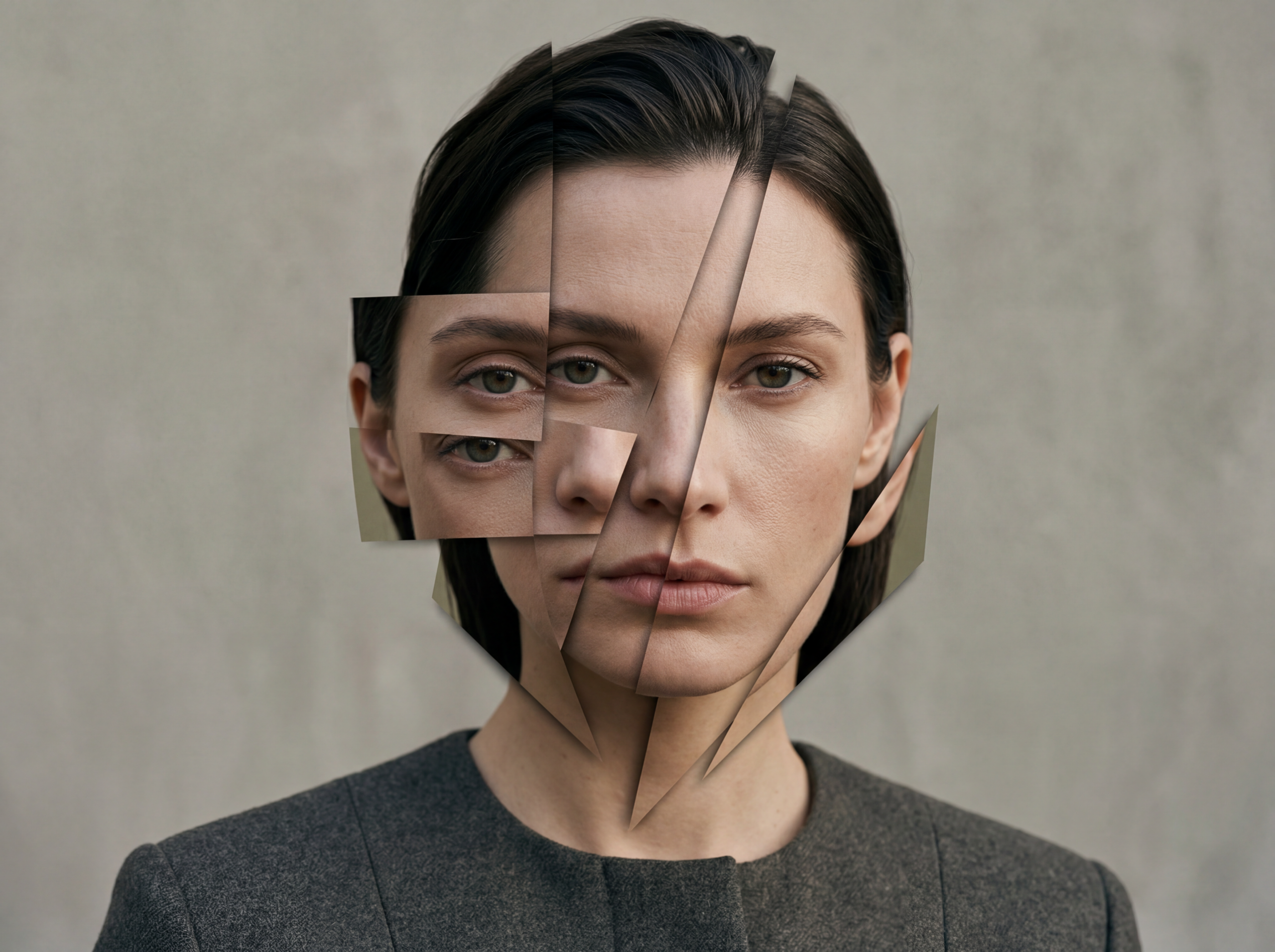
Scroll long enough and it starts to feel personal.
The outfits, the references, the niche brands that somehow keep showing up at exactly the right moment. It reads like taste. It feels like identity. But in 2026, your aesthetic is as much shaped by systems as it is by instinct.
The algorithm is no longer just a distribution tool. It is an active participant in how taste is formed. Platforms have moved beyond simply showing what’s popular. They refine, predict, and reinforce. What you engage with becomes what you see more of, and over time, that repetition starts to feel like preference. The line between what you chose and what was surfaced to you becomes harder to define.
This doesn’t mean taste is artificial. It means it is increasingly guided.
In fashion and beauty, this creates a new kind of aesthetic loop. Micro-trends emerge, circulate, and solidify faster than ever, often within tightly defined visual ecosystems. What feels niche is often widely distributed, just not universally visible. Your feed feels specific, but it is built from patterns shared across thousands of others.
At the same time, awareness is growing. Consumers understand that what they see is curated, even if the mechanics remain abstract. This creates a tension between control and influence. The desire for individuality exists alongside systems that continuously shape it.
The result is an aesthetic that feels personal, but is partially programmed.
Style, in this context, becomes less about pure self-expression and more about navigation. Knowing what to engage with, what to ignore, and how to interpret what surfaces. The algorithm does not replace taste. It reframes how it is developed.